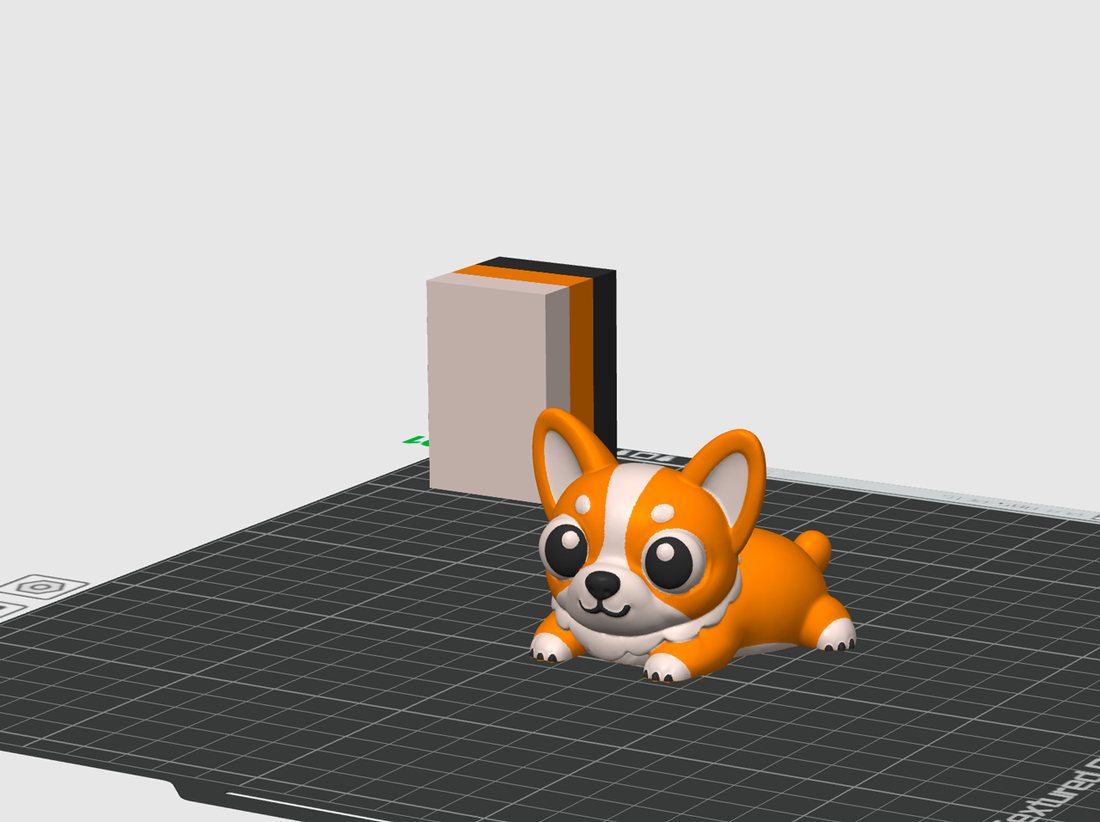
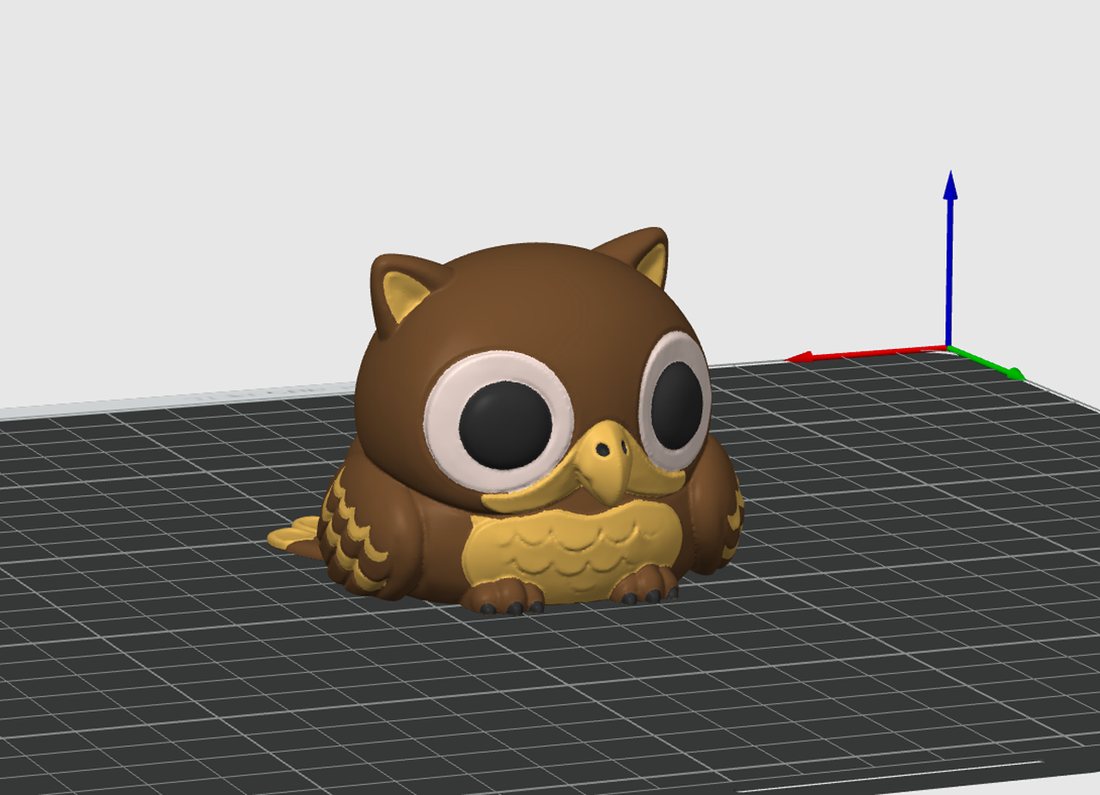
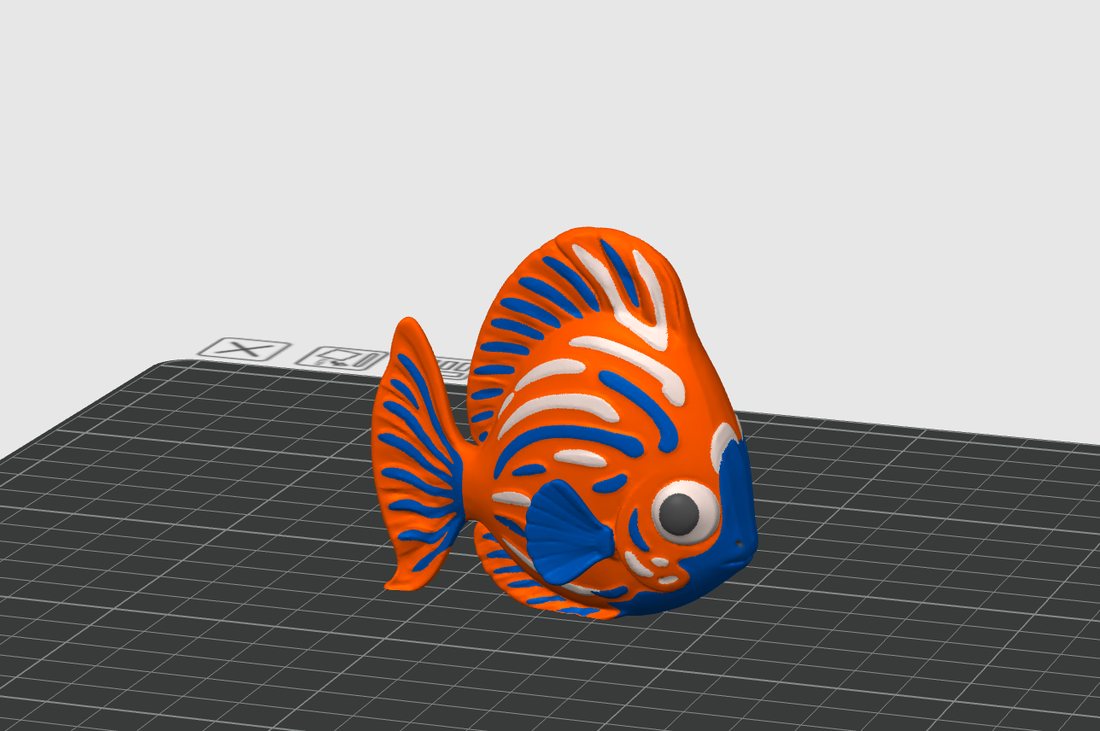
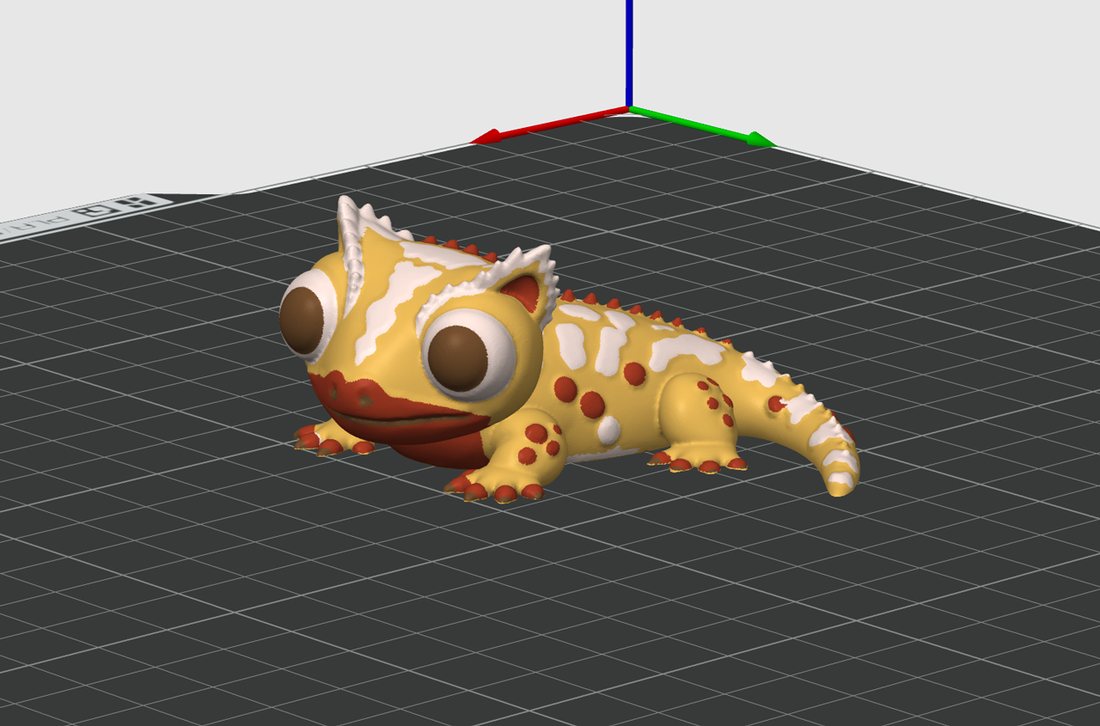
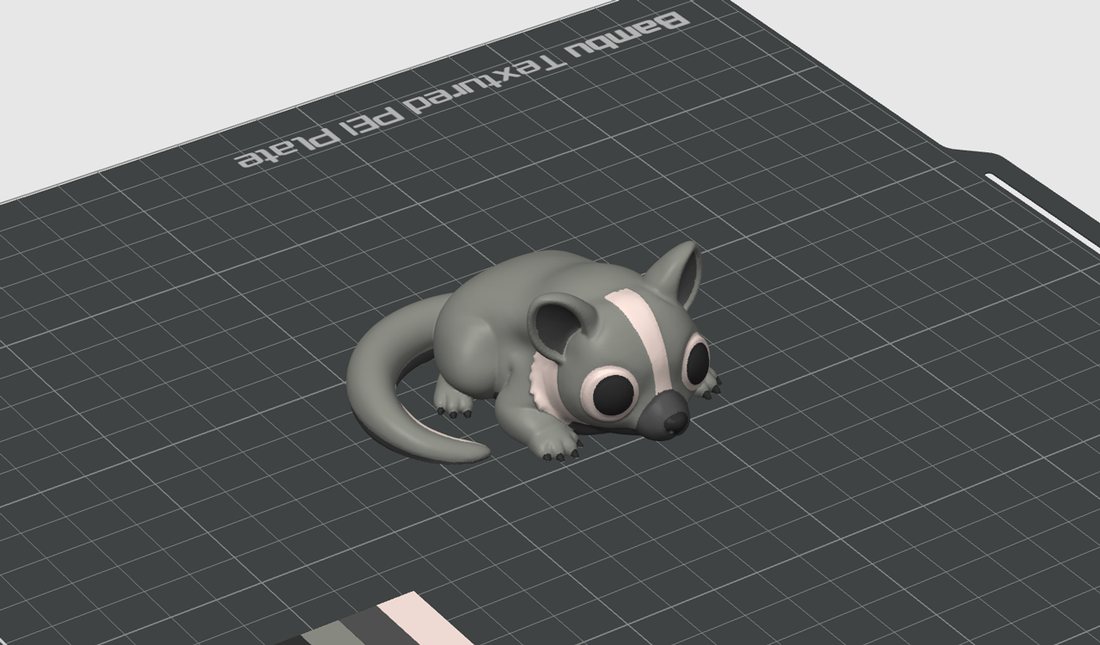
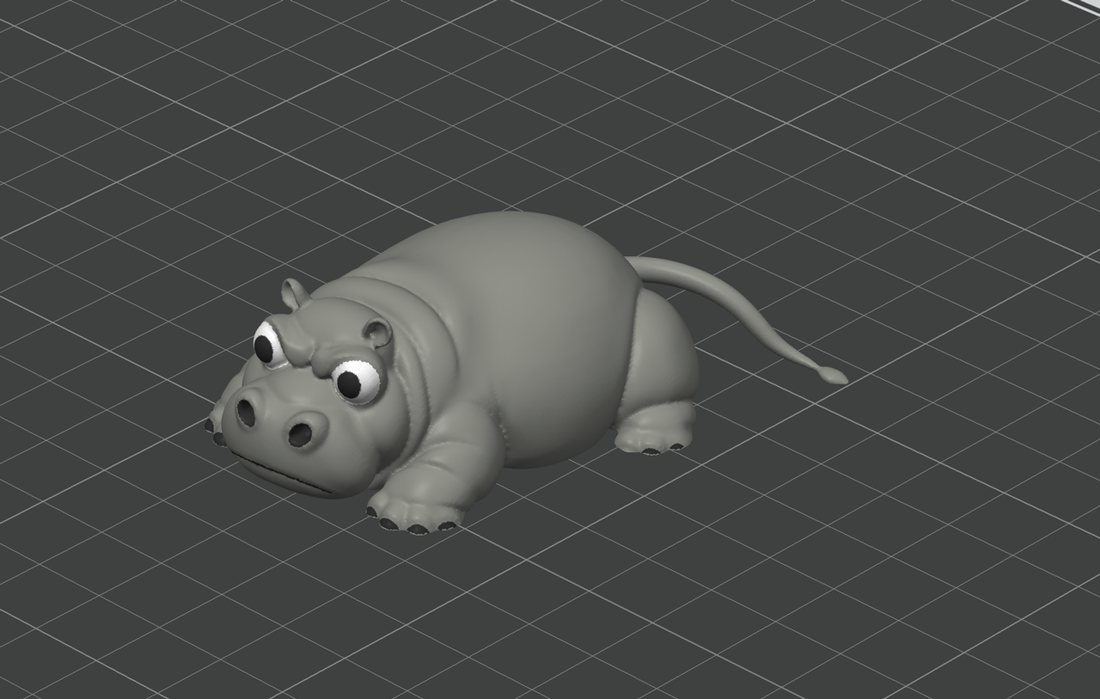
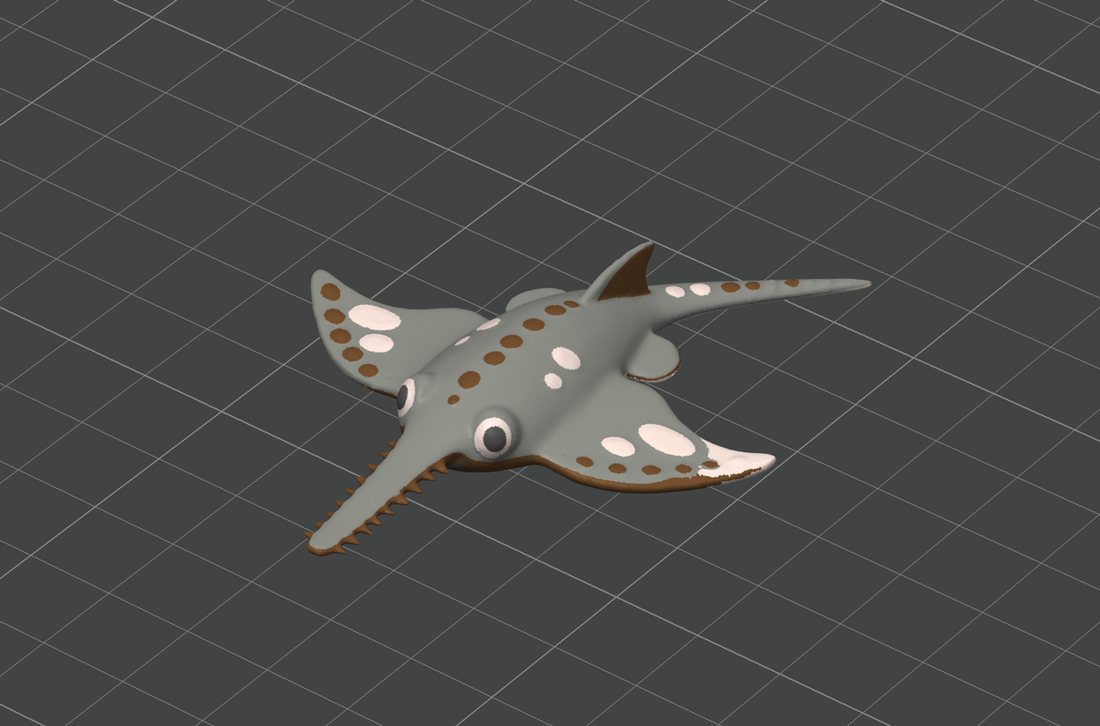
The app, mid-build — type an animal, change any color, see what it costs.
Name almost any real animal. Get it back as a collectible you can actually print —
in real colors, from the filament brands you already own, ready to slice. And every one you
make matches every other one, because they are all cut from the same style.
To be completely clear
This is not a chatbot with a 3D printer bolted on
Ask an AI for a printable animal and you get a picture, or a mesh no slicer can use. This is a
production system. A generator draws one image and supplies one shell. That step takes
minutes. Everything before it and everything after it is human.
What actually shapes the model is a trained artist’s rules. Real species anatomy,
researched one animal at a time. Print engineering with measured tolerances. And the math that
makes a sculpture survive a 0.4 mm nozzle.
It’s backed by 30 years in technology and web/app development, 3 years in AI workflow
automation, and 17 years of 3D printing. Most of the printing was engineering FPV quadcopter
parts by hand in CAD, where a
part that fails is a drone in a tree. And I teamed up with a graduate of Ringling College of
Art and Design who has 25 years in character design and illustration, because a printable animal that
doesn’t read as that animal is a failure too.
AI is a tool inside this, not the thing that knows. It makes human knowledge
faster. Every rule in the system exists because a real generation came back wrong, got measured,
and the answer got written down. Anything that would snap, print as mush or come apart on the
plate gets refused instead of sold to you.
25,000+ lines of code530+ commits770+ species cataloged30 years in tech25 years character design17 years printing
A set, not a shelf of one-offs
You can already find a good printable gecko somewhere. What you can’t find is 98
reptiles that look like they came from the same hand. Same eyes, same surface, same
proportions, holding across a gecko and a crocodile and a turtle and a snake.
That’s the hard part, and it’s the whole thing this was built to do. A style that
survives every body plan is what turns a pile of unrelated downloads into a collection that
reads as one collection.
In one style, right now: 98 reptiles and crocodilians · 99 birds · 69 fish · 28
amphibians. Enough for a reptile show, a bird show, an aquatics show or an exotics table
— a whole stand that matches, not one novelty on a shelf of somebody else’s.
Most color models arrive unprintable
You download a model that looks colorful. It carries a baked texture with fifteen colors in
it. You find out at the slicer that four AMS slots cannot hold fifteen colors.
You print it in white.
These come out the other way round: four real spool colors, ready to print, straight
out of the file. Four colors is the deliverable, not a limitation.
Your filament, your colors
Every model arrives with its colors already set from the Bambu filament library — then you
switch any of them, free, to a filament you actually own. 1,651 spools across 131
brands: eSUN, Prusament, Polymaker, Overture, Sunlu, Protopasta and the rest, refreshed every
quarter, with discontinued colors filtered out so nothing is offered that you cannot buy.
The model updates instantly. No re-slicing a guess at what a color might look like.
Don’t like the palette, change it.
The animals nobody makes
Shelves are full of dogs and cats and empty of nearly everything else. Ackie monitors.
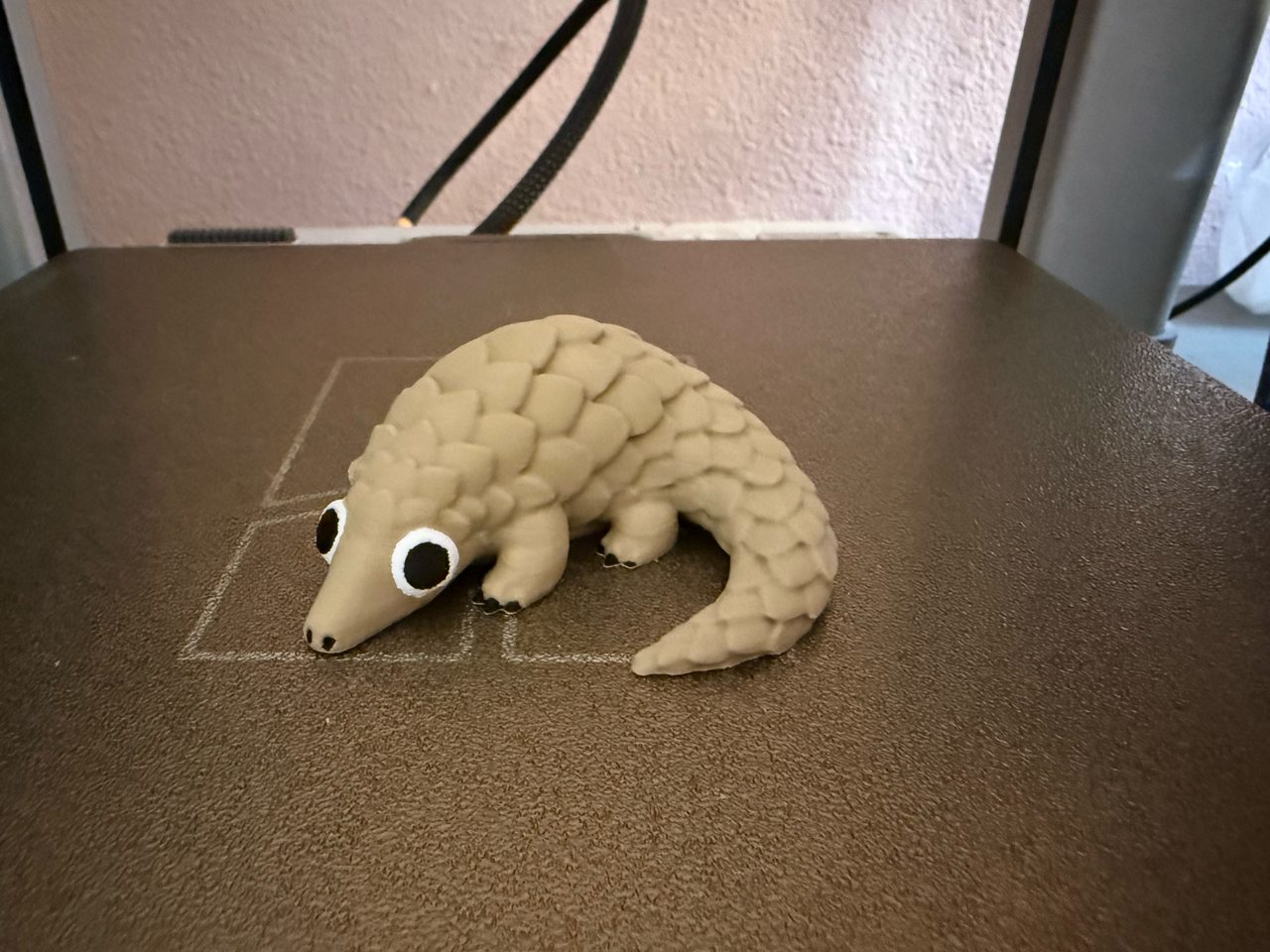
Pangolins. Star-nosed moles. Shoebills. Name almost any real animal you can think of and it
can be made. Not a generic lizard with a new paint job. That species, researched, with the
features that make it recognizable actually there.
A new style every so often, applied to everything
The collection isn’t only new animals — it’s new styles. Each one is a whole
look, drawn from real artists’ hands rather than a filter, and it re-skins the entire
library. One new style makes everything you already own new again.
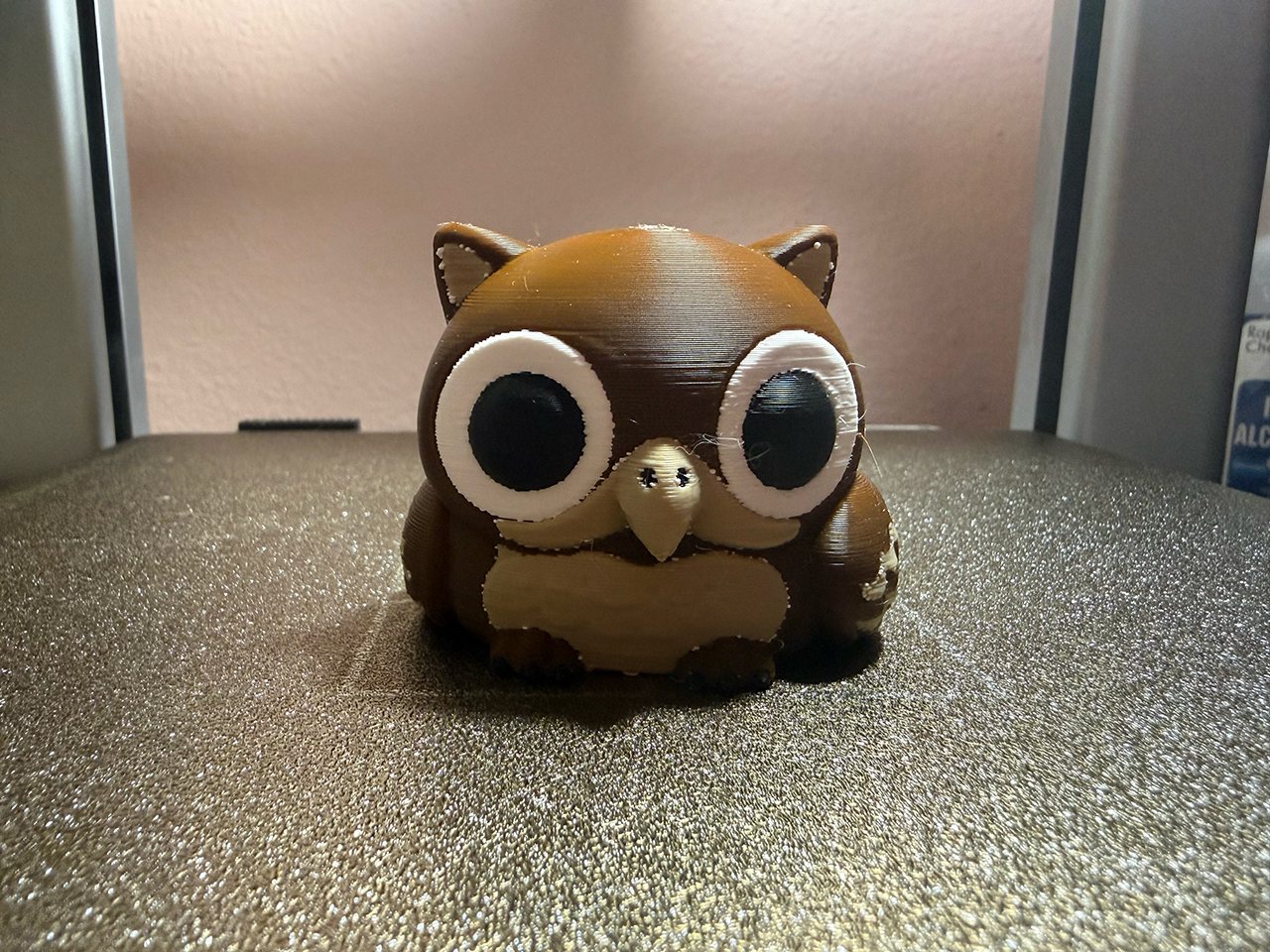
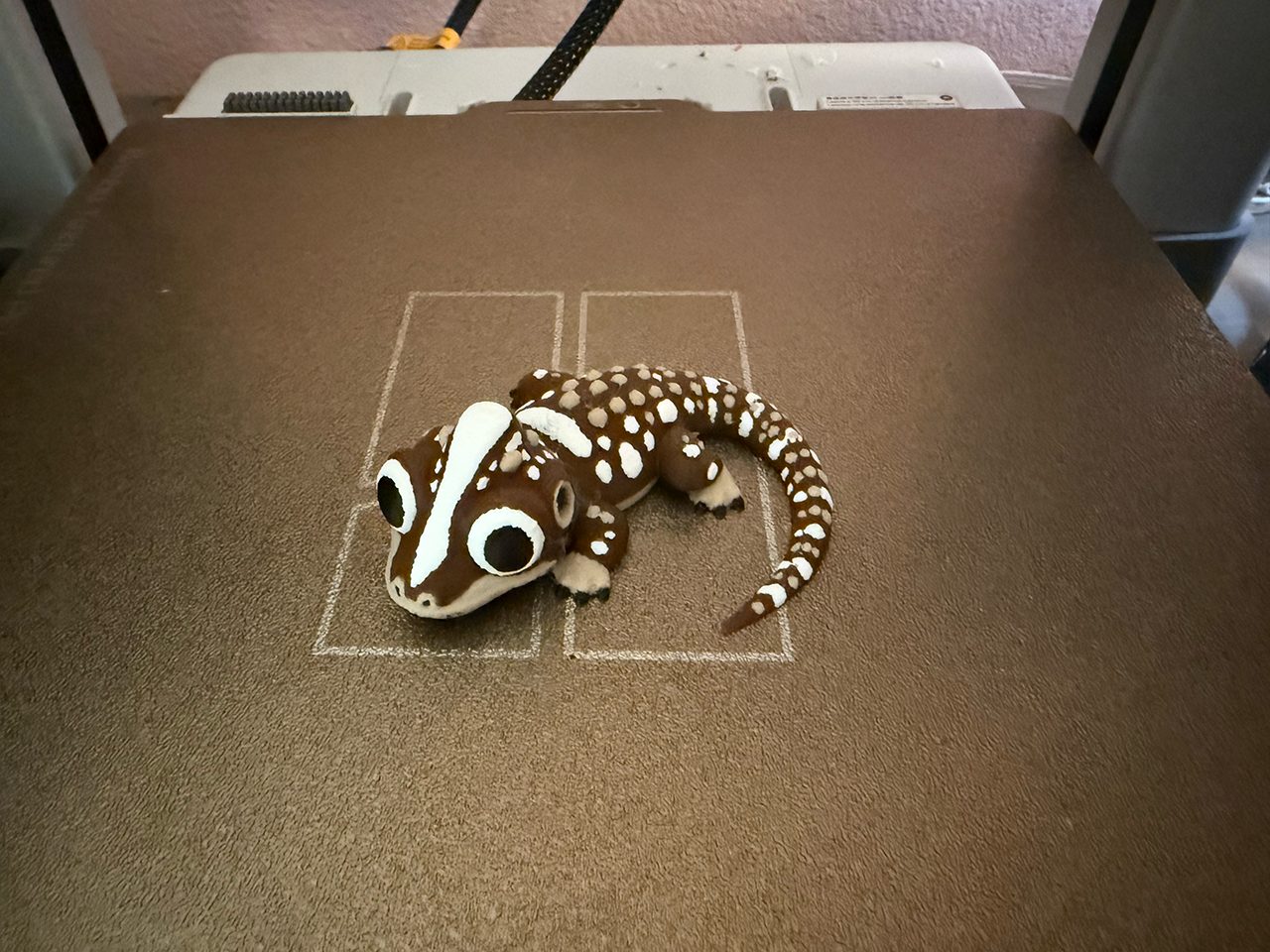
These are photographs, not renders
Printability is the whole claim, and a render cannot demonstrate it. All three of
these came off my own machine, in four real spool colors, straight from the file — swapping
a spool for whatever is loaded is the point, not a compromise.
Nothing ships that would snap, print as mush, or come apart on the
plate. If it fails a check, it doesn’t get published — and the file tells you
what it will cost you in filament and color changes before you slice it.
Nothing here is a mockup
Every model on this page was physically printed and checked before it went
anywhere. A photograph of a finished print is the only claim about printability that means anything.
The catalog is built from real anatomy and real coloring, species by species.
Closed alpha is next.
Print one now
The first models are free on MakerWorld, with print profiles, and more go up as they come off
the plate.
Crowdfunding, we hope, late summer or early fall 2026
That’s the plan and the timing we’re aiming at. I’ve applied to run the
campaign on MakerWorld and it isn’t approved yet, so the platform is pending and the date is
a hope, not a promise. If it goes ahead, backers get the library and every style, and a
say in what gets made. If you want to know when it opens, leave an address — one email when it launches, nothing else, and no list sharing. Want off the list? Mail [email protected] and you’re gone.